A Return to Black and White

Hello Friends,

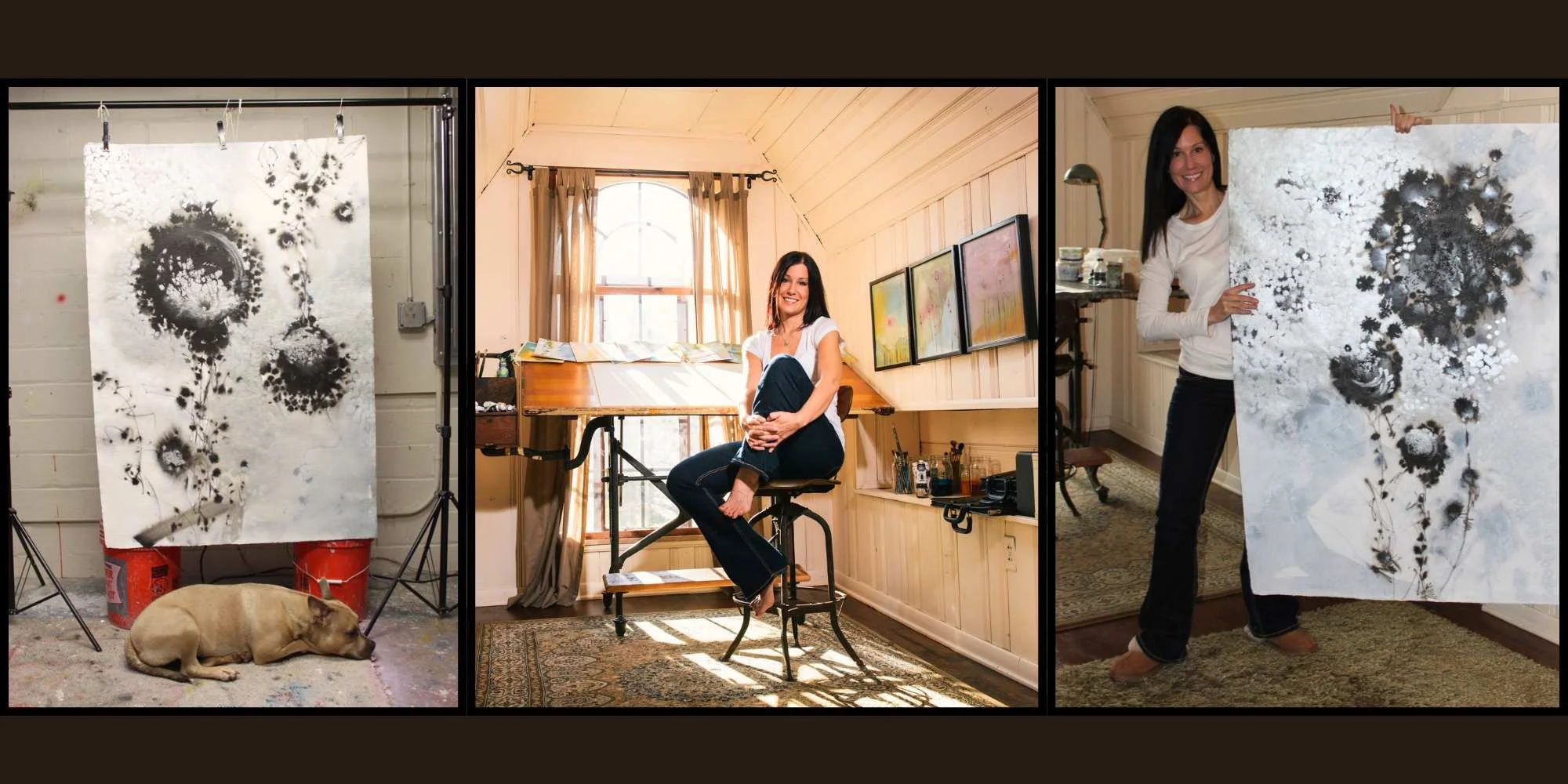
I’ve recently been focusing on a new series of black and white works on paper. While this isn’t a new direction for me, it is one I haven’t fully immersed myself in for several years. At one point in my career, I devoted nearly all of my creative energy to works on paper. Over time, however, I felt the need to expand my portfolio and explore other surfaces and formats. Yet if I’m being truthful with myself, working on paper has always been my greatest love.

I’m drawn to its earthy, organic texture — its softness, porousness, the way paint absorbs into the fibers, and its fragile, unforgiving nature. Paper demands presence. It challenges me to stay deeply connected and fully in the moment while I work. Returning to this medium has brought me an immense sense of joy.

There are endless reasons to gravitate toward a black and white palette: its timeless elegance, its bold simplicity, its versatility, and the way it never truly goes out of style. Black and white has a way of feeling both contemporary and classic all at once.

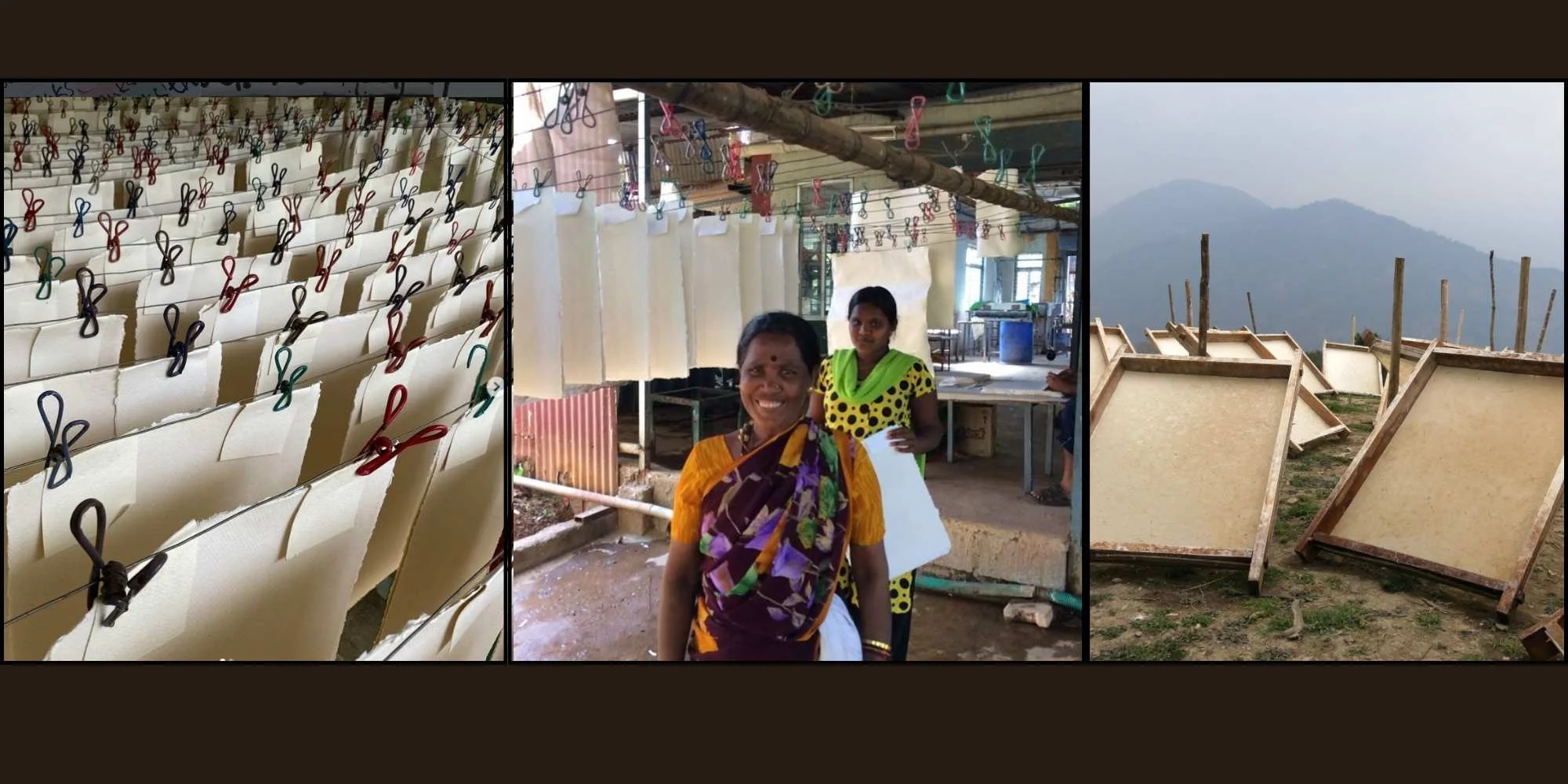
This particular series feels especially meaningful because the paper itself is handmade cotton rag watercolor paper. The paper mill works cooperatively with a local t-shirt factory, repurposing cotton trimmings and transforming the fibers into richly textured sheets of paper. The process is labor-intensive and deeply rooted in craftsmanship.

At one point, I romanticized the idea of making my own paper in order to remain completely connected to every stage of the artistic process. I quickly realized that papermaking is an art form all its own — one that requires years of dedication and skill. Rather than feeling disappointed, I found a deeper appreciation in collaborating, in a sense, with another craftsman.

Each sheet carries its own character: subtle warbles and bumps, irregular deckled edges, and imperfect corners that resist clean ninety-degree turns. These imperfections are exactly what make the work feel alive to me.

Works on paper continue their collaborative journey through the art of framing. Framing itself is both aesthetic and craftsmanship — a final layer of interpretation that can completely shape how a piece lives within a space. I intentionally leave the framing undone so that each collector has the opportunity to guide the final presentation in a way that feels personal to their home and vision.

This body of work is truly a conversation between materials, makers, and ultimately, the spaces and people who live with it.

Most warmly,

Mel


A Small Studio Experiment: Imagining Art in Your Space

Hello,

Thank you, as always, for following my work and supporting what happens here in the studio. It truly means a great deal to have you along for the journey.

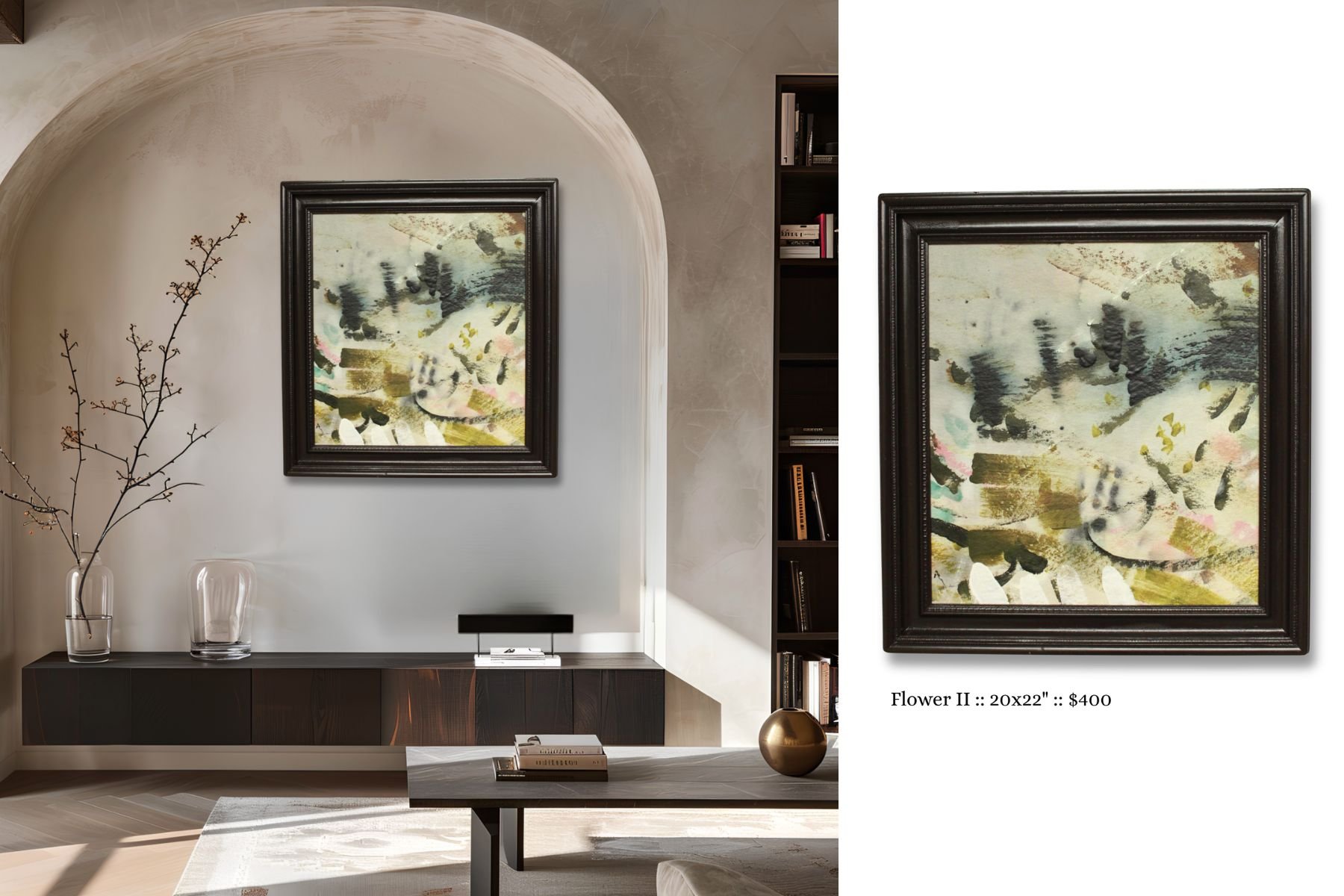
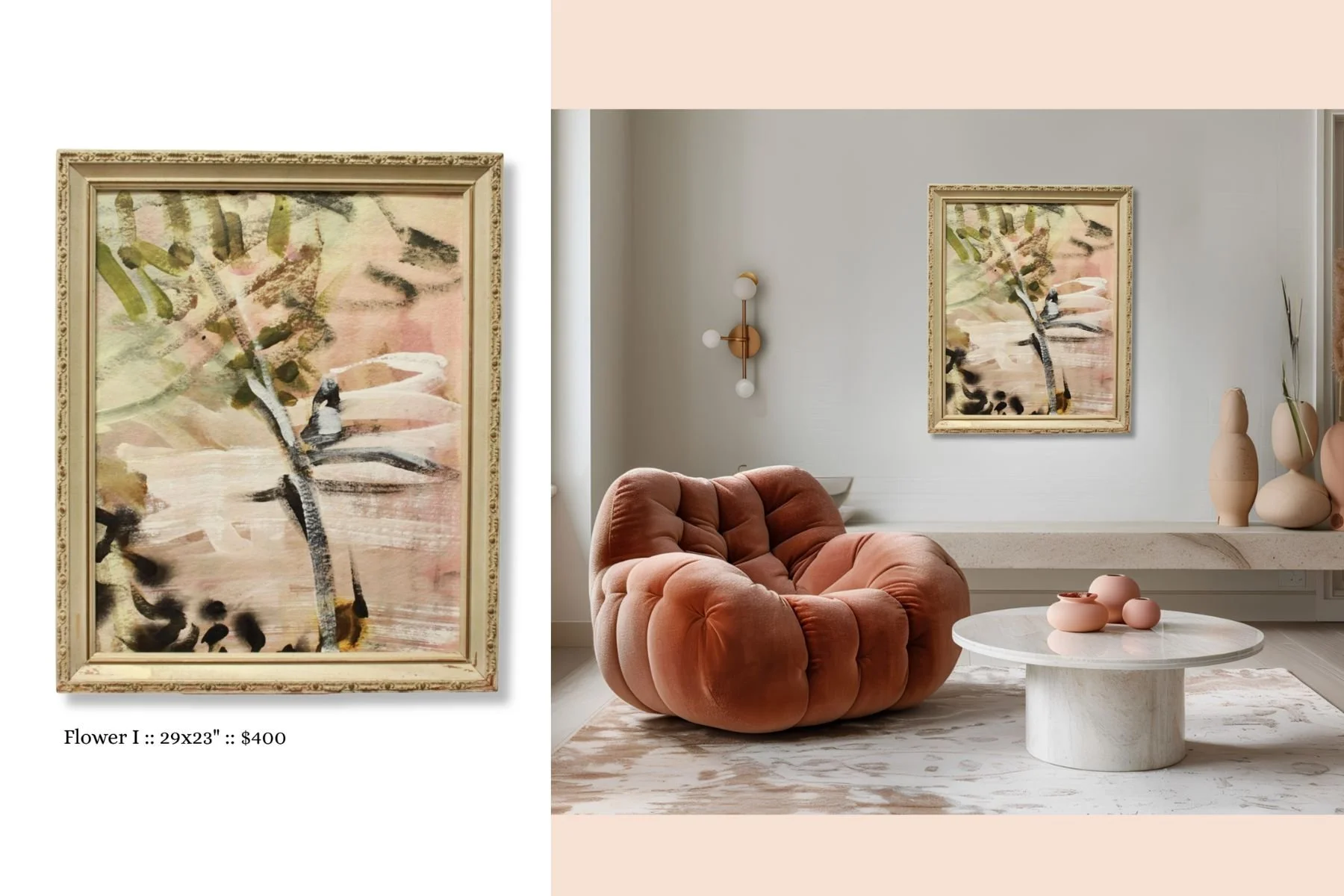
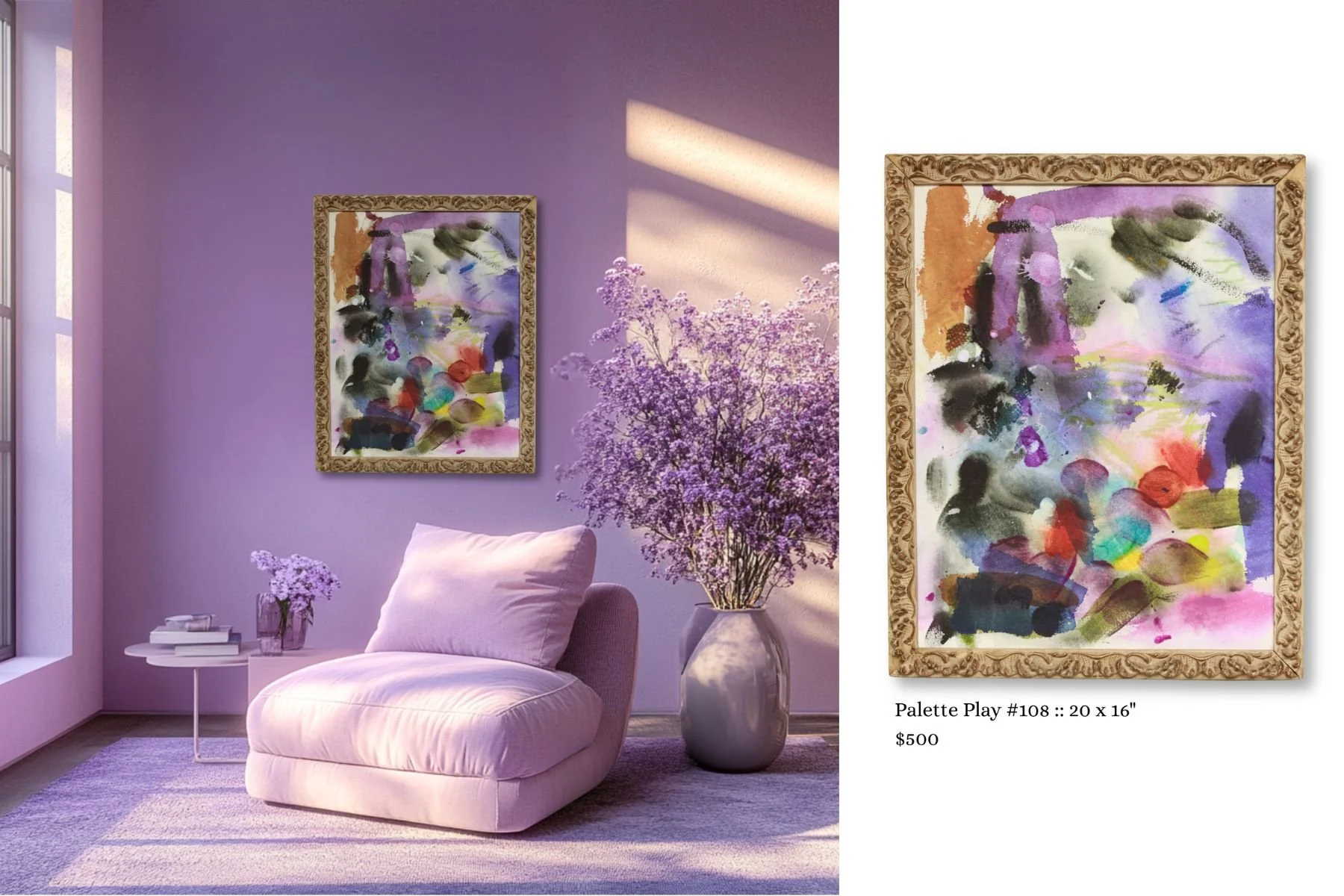
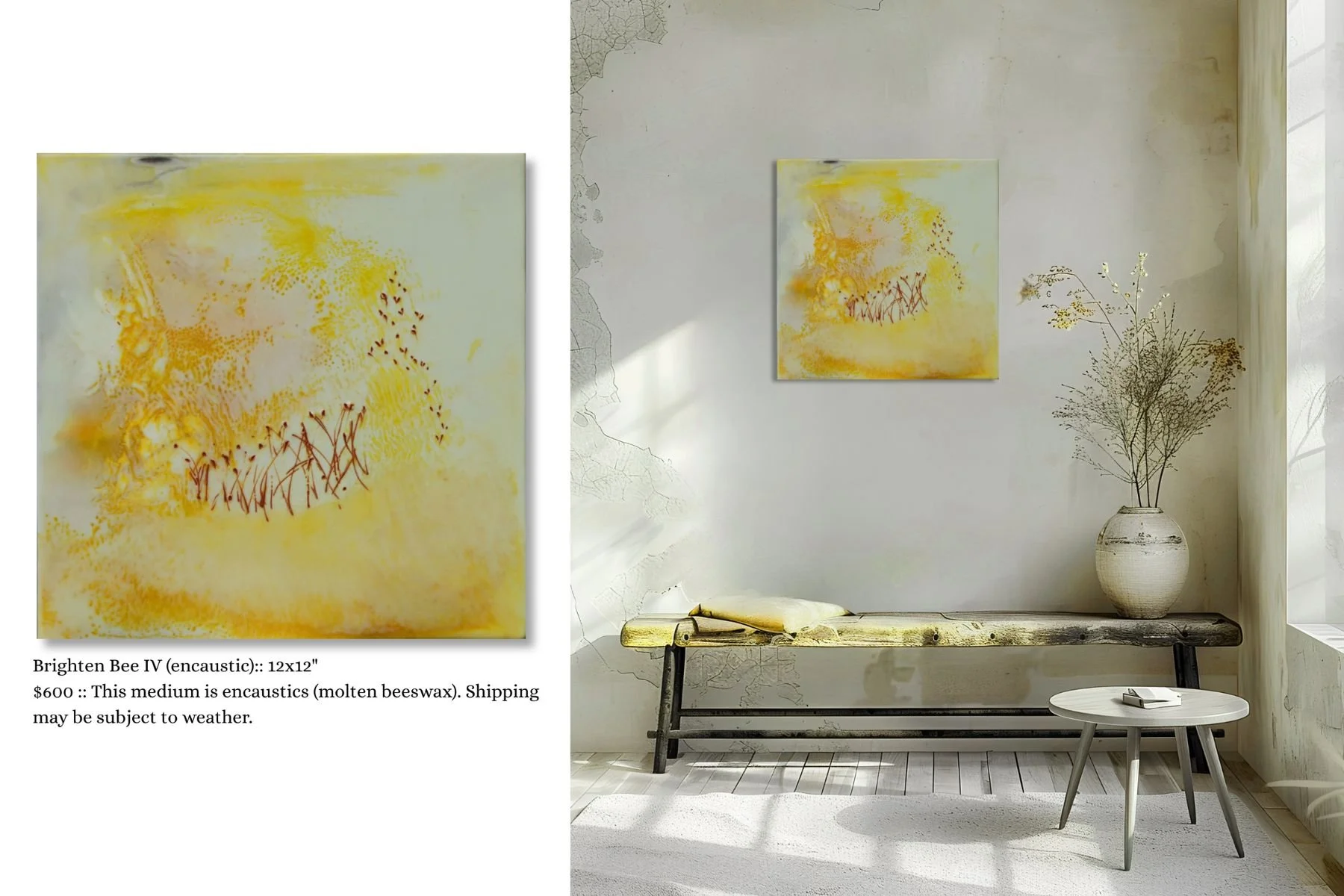
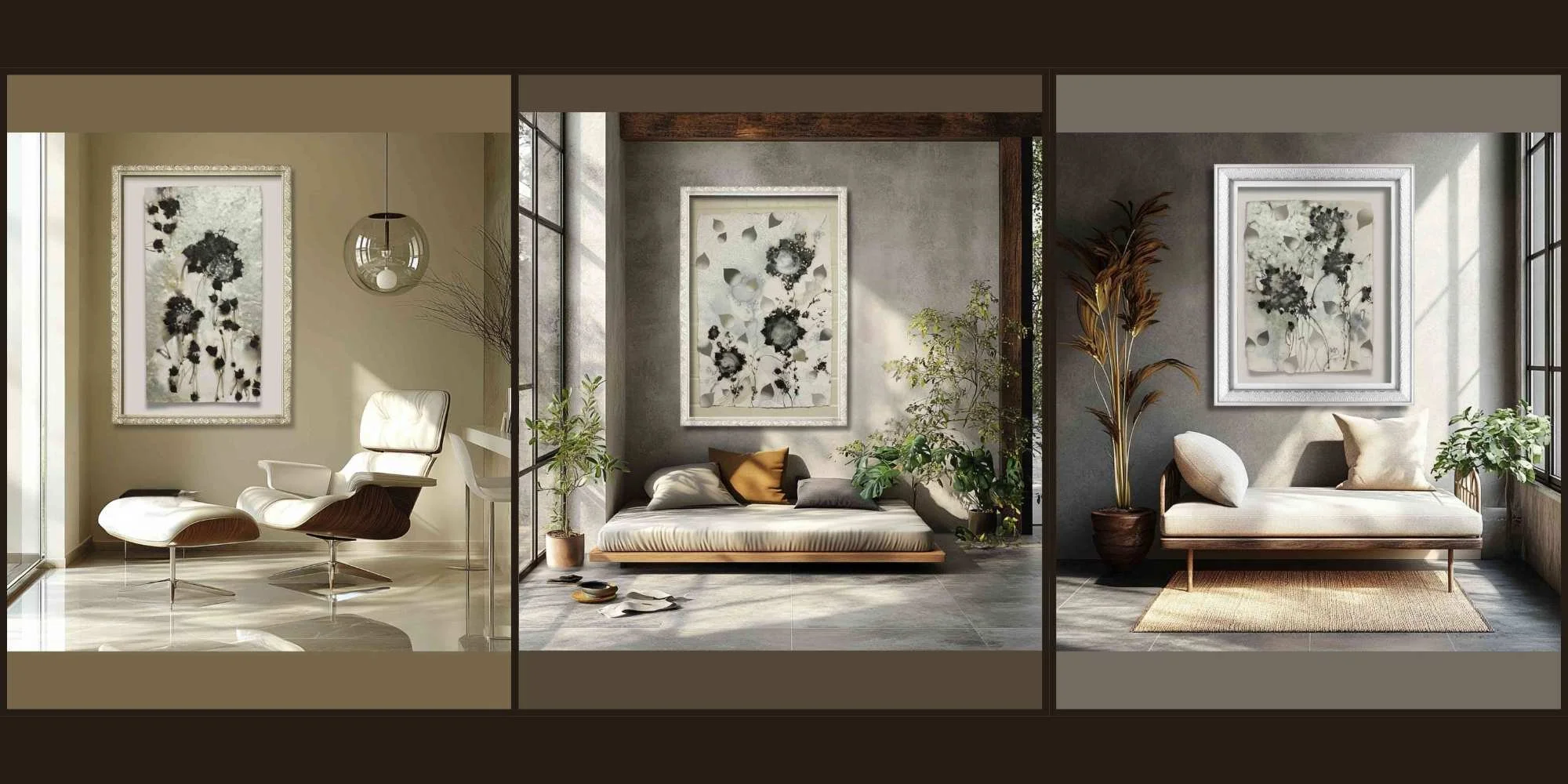
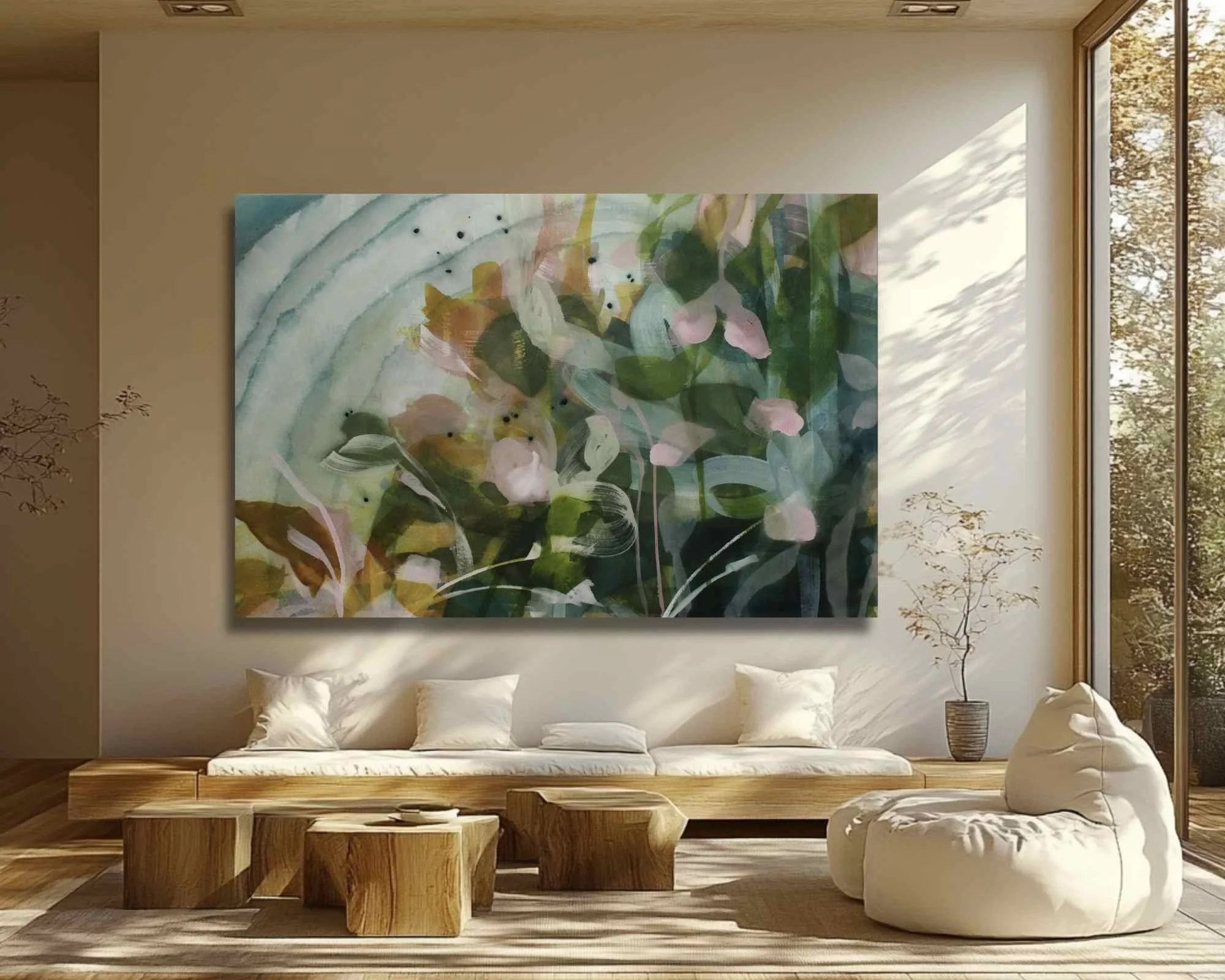
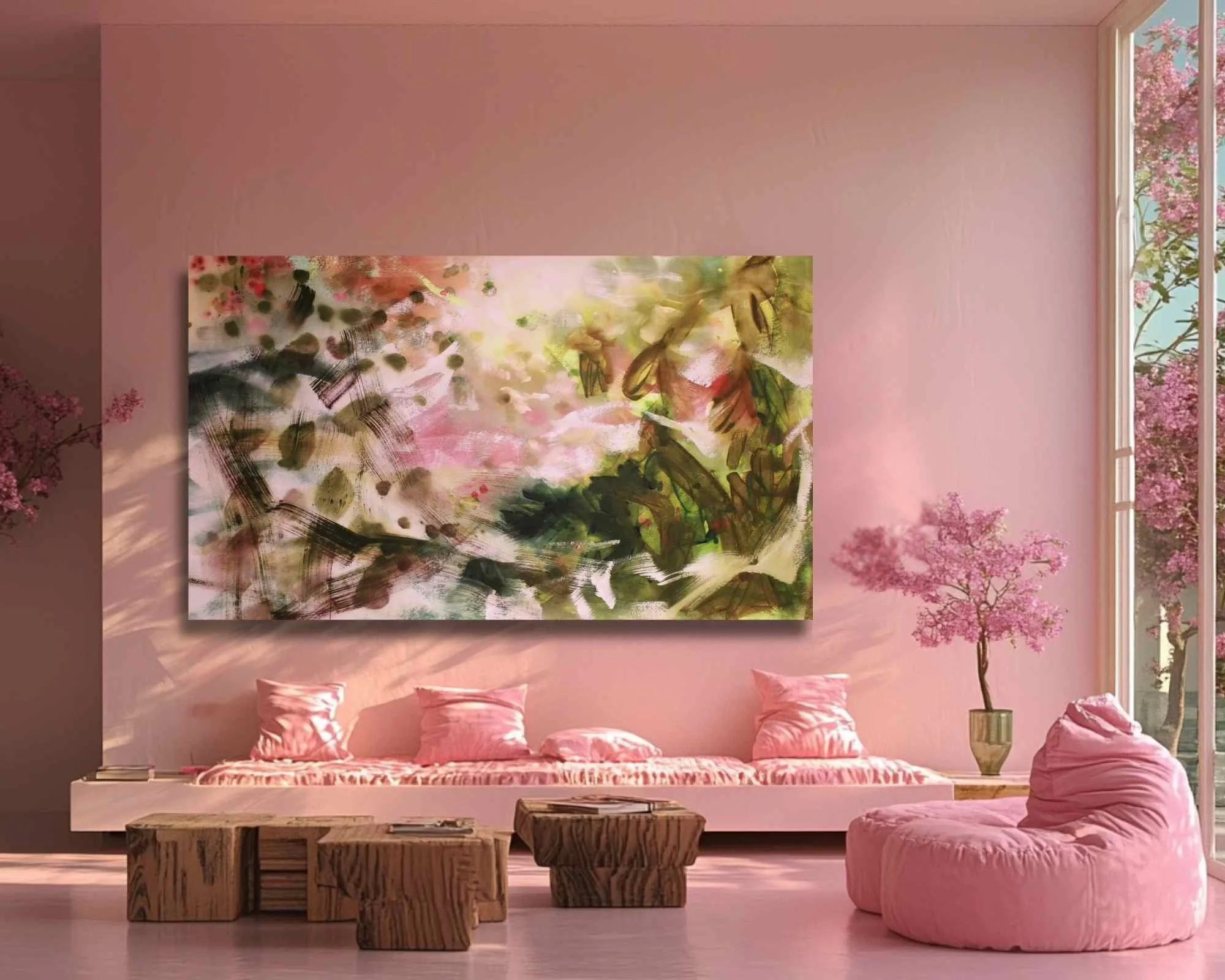
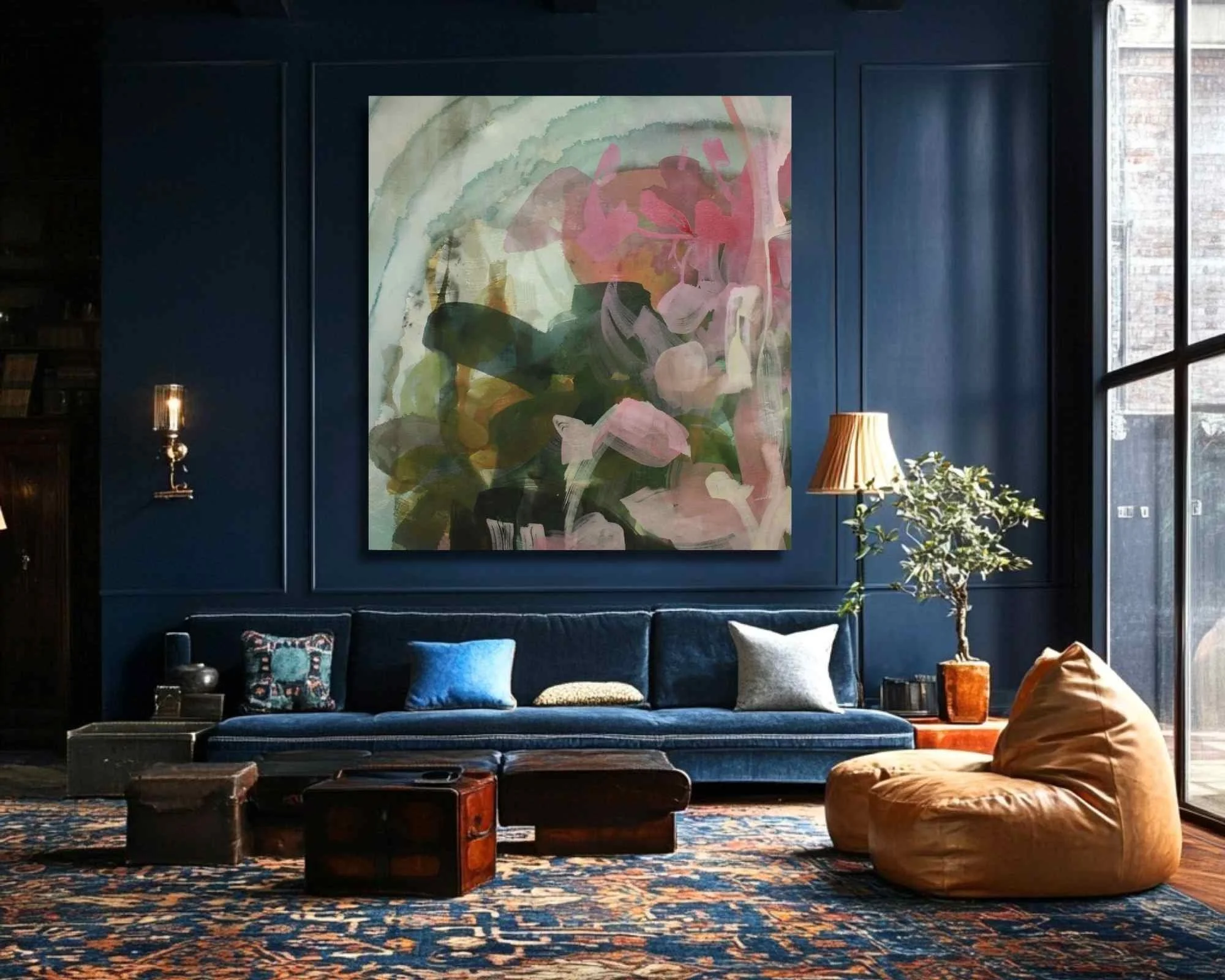
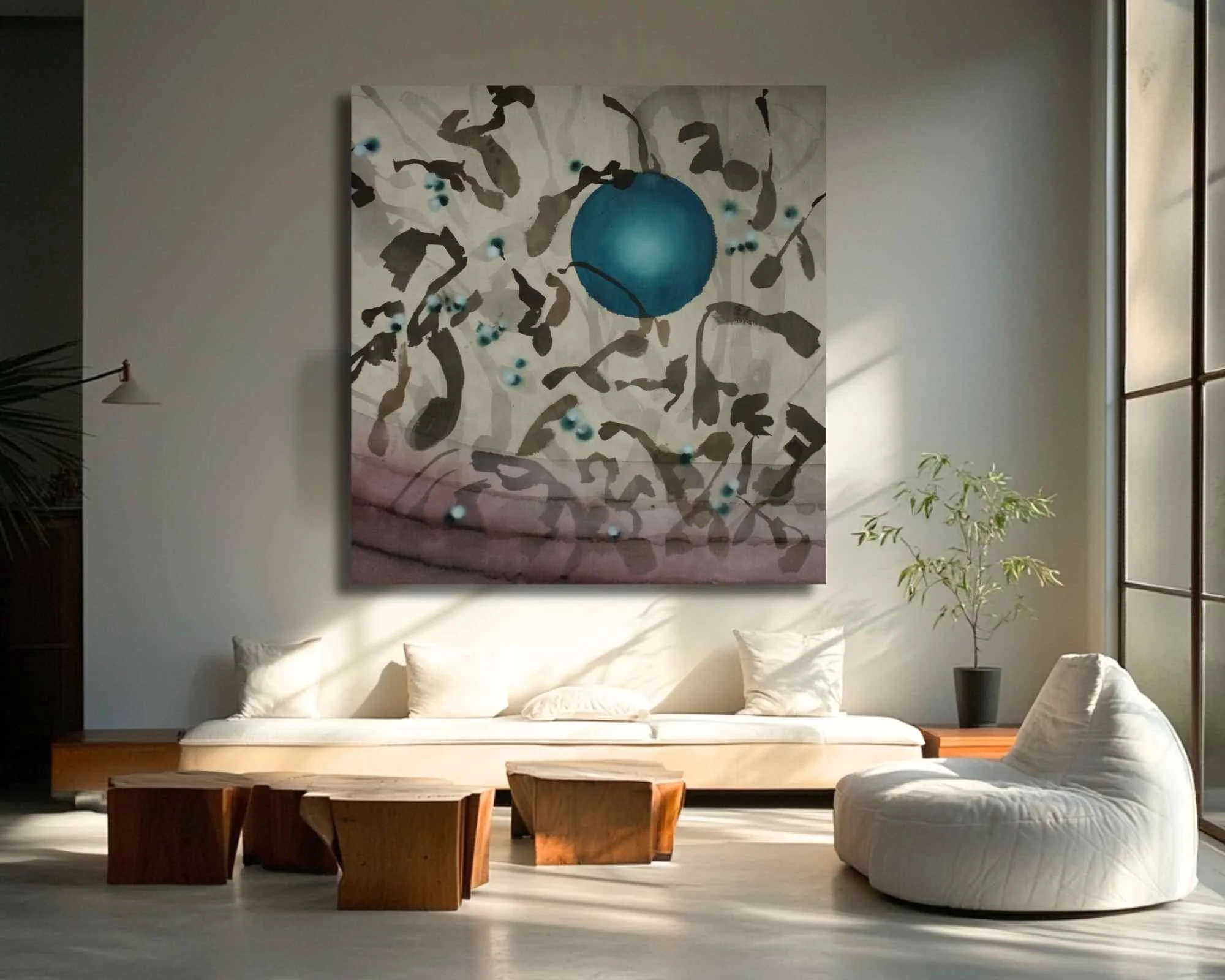
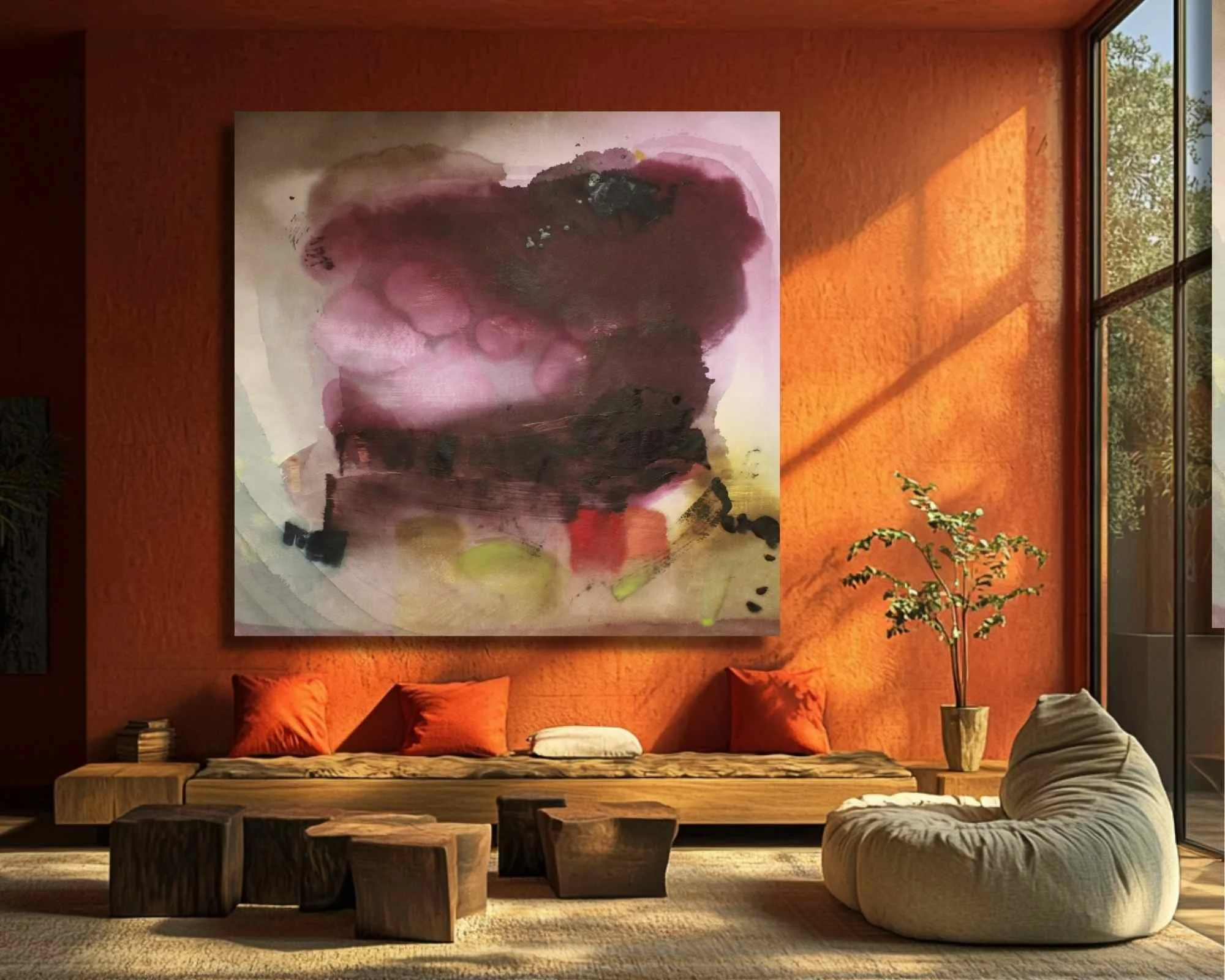
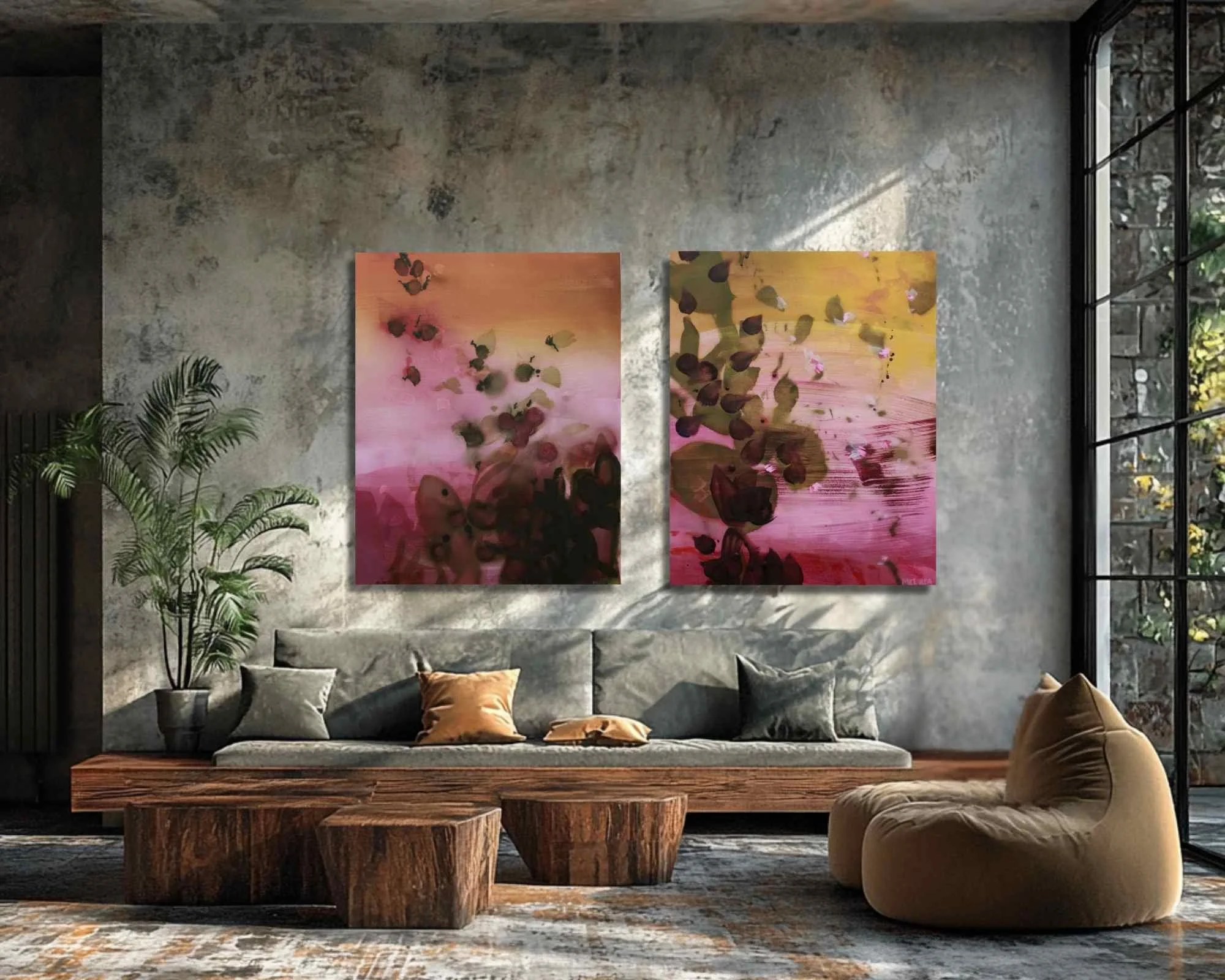
Lately I’ve been tinkering with a new studio experiment that lets us imagine my paintings in your home before you commit to a piece. Like many people exploring this new era of AI tools, I’ve begun incorporating them as a way to help clients take a more relaxed and confident approach to choosing artwork.

For years we’ve been able to place paintings into photographs of a room using tools like Photoshop. But newer technologies now allow us to reimagine an entire space quickly, generating different variations that help visualize possibilities in a much more dynamic way.

I should say up front that I’m very far from a tech-savvy person. But when in Rome. I’m still very much at the beginning of this learning process, though it’s already proving to be a helpful way for us to explore ideas together.

If you have a photo of a room where you’re considering placing artwork, I can take that image and digitally place paintings into the space so we can look at scale, color, and presence in context. I can even make small adjustments to the room itself. For example, if you’ve been discussing painting your walls a deep blue with your interior designer but the room is currently white, we can imagine that shift before the paint ever goes up.

To be clear, I’m not an interior designer or a graphic designer. But I’m happy to offer my best effort to bring a little more clarity and confidence to the process of choosing the right piece.

I can also suggest specific works that are currently available and might suit the space, though I approach this part gently. I truly want collectors to follow their own instincts first. My role is simply to offer a few thoughtful possibilities and allow you the time and space to see what resonates and brings you joy.

More than anything, I’m offering this as a way to collaborate more closely with clients while building trust and developing relationships that can grow over time. If the process proves helpful, I’m always grateful when clients share their experience with others who may benefit from it as well.

So if you’re interested in some highly flawed but very high-effort assistance imagining a piece of art in your space, I’d be delighted to give it a try.  

With gratitude,
Mel Rea